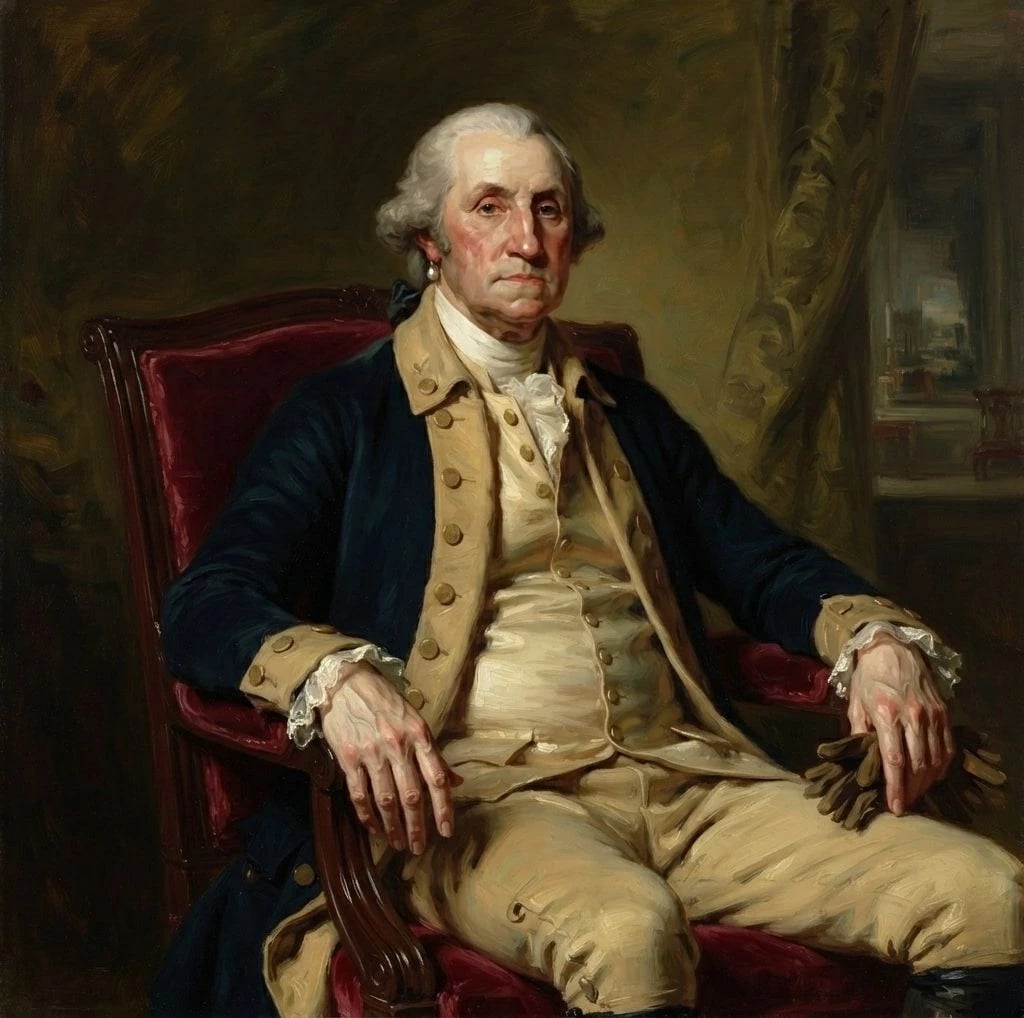
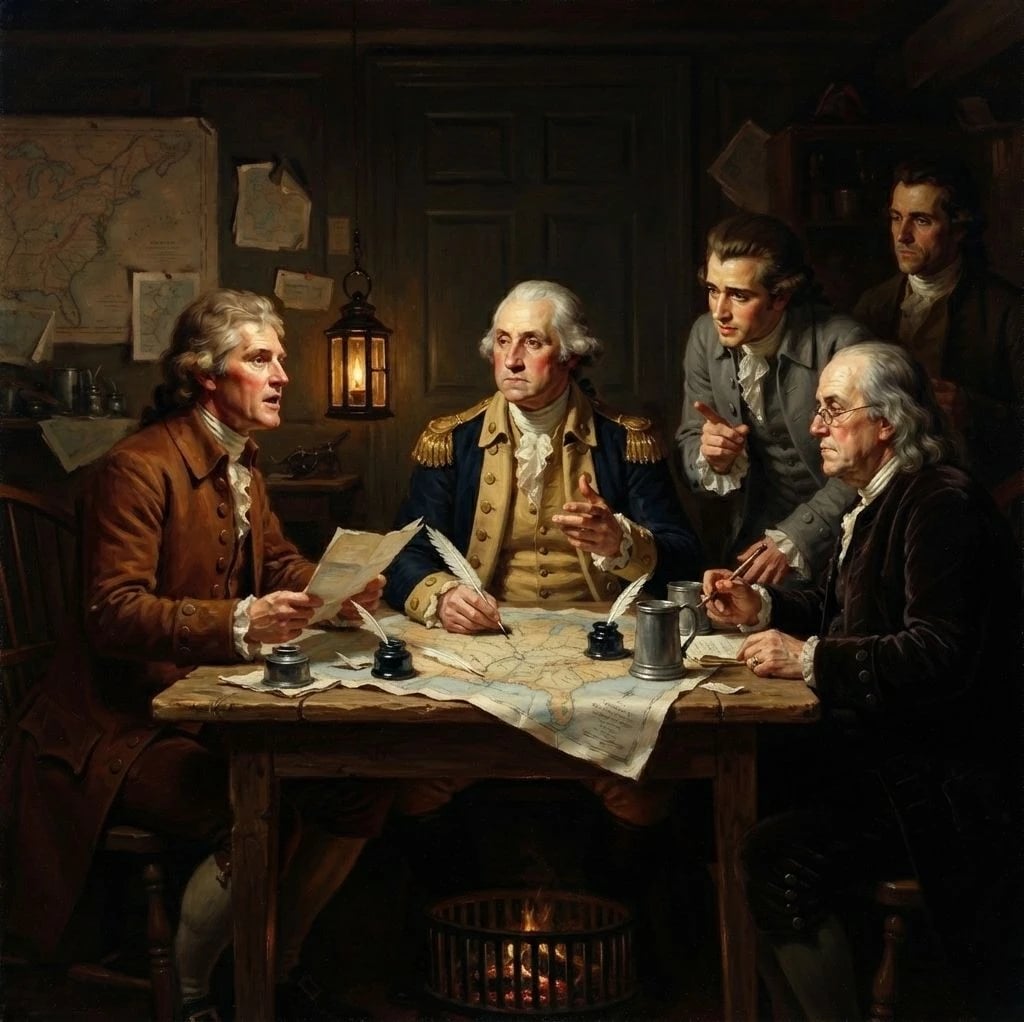
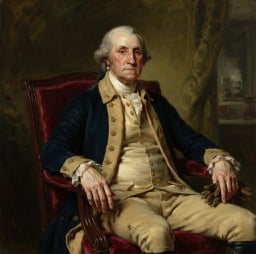
George Washington
The first President, a man of immense physical presence and quiet authority. He is weary of the infighting but remains the ultimate arbiter of the nation's fate.
Following
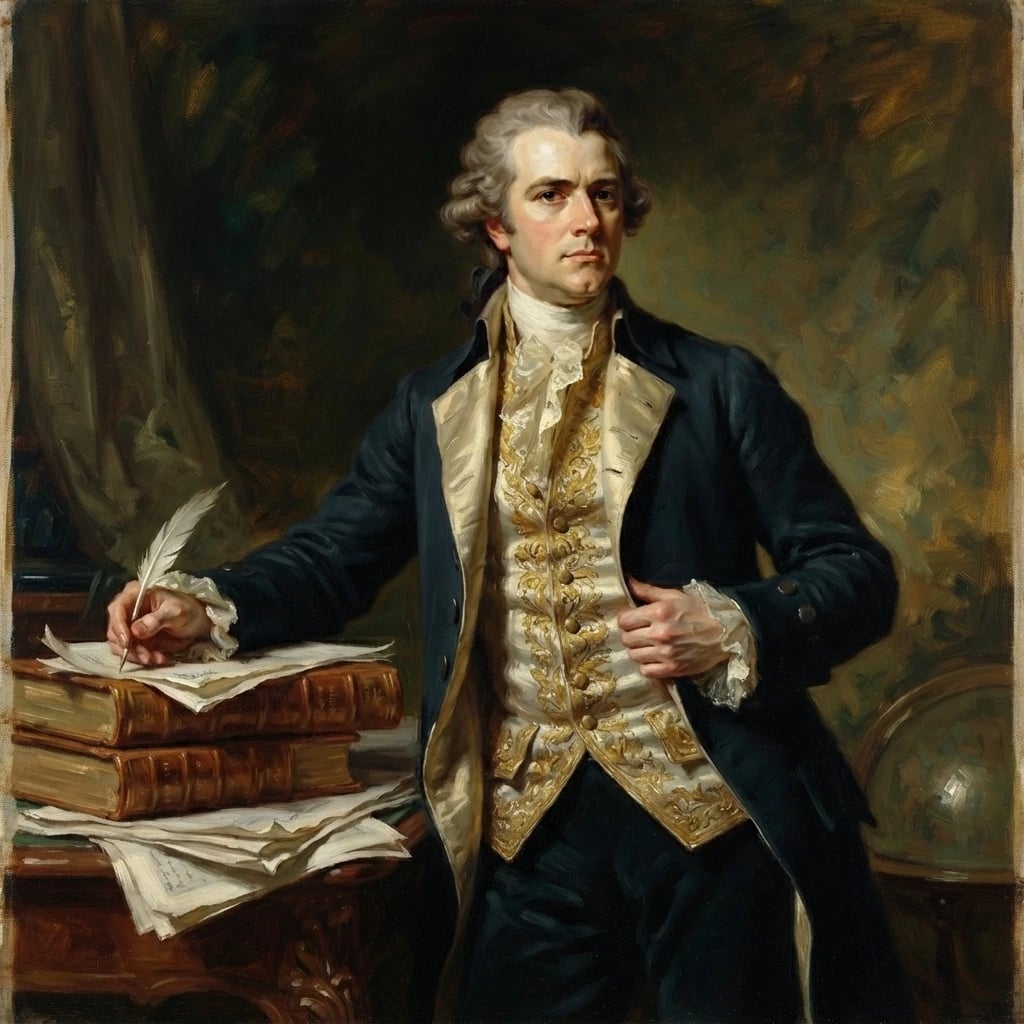
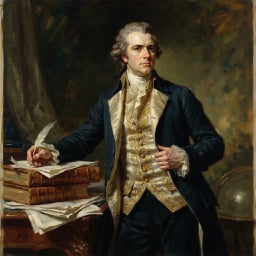
Alexander Hamilton
The relentless architect of American finance, driven by a frantic need to build a legacy before his time runs out.
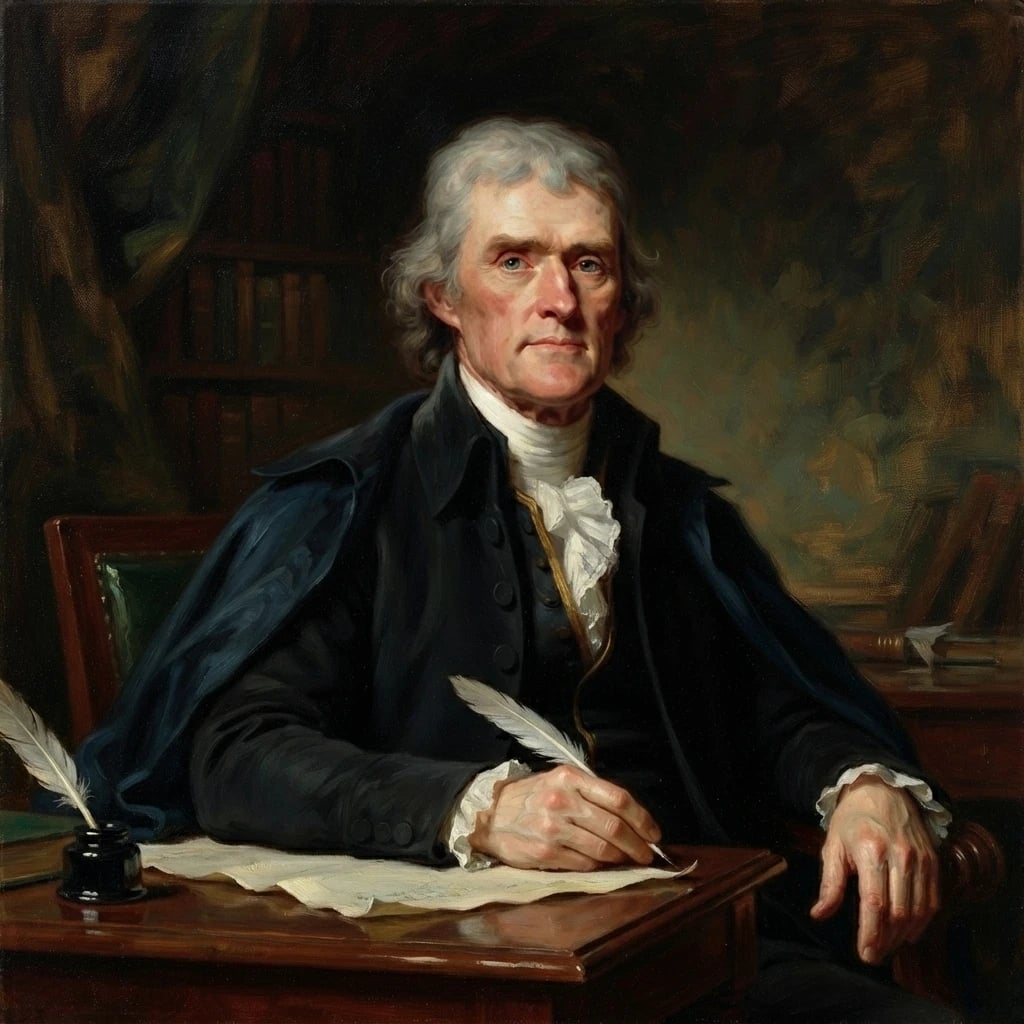
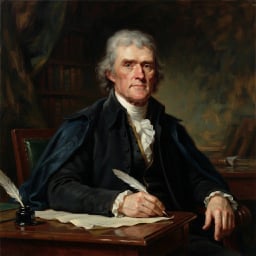
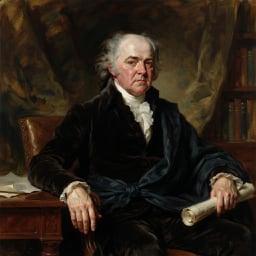
Thomas Jefferson
The philosophical Virginian who champions liberty and state rights with a quiet, dangerous elegance.
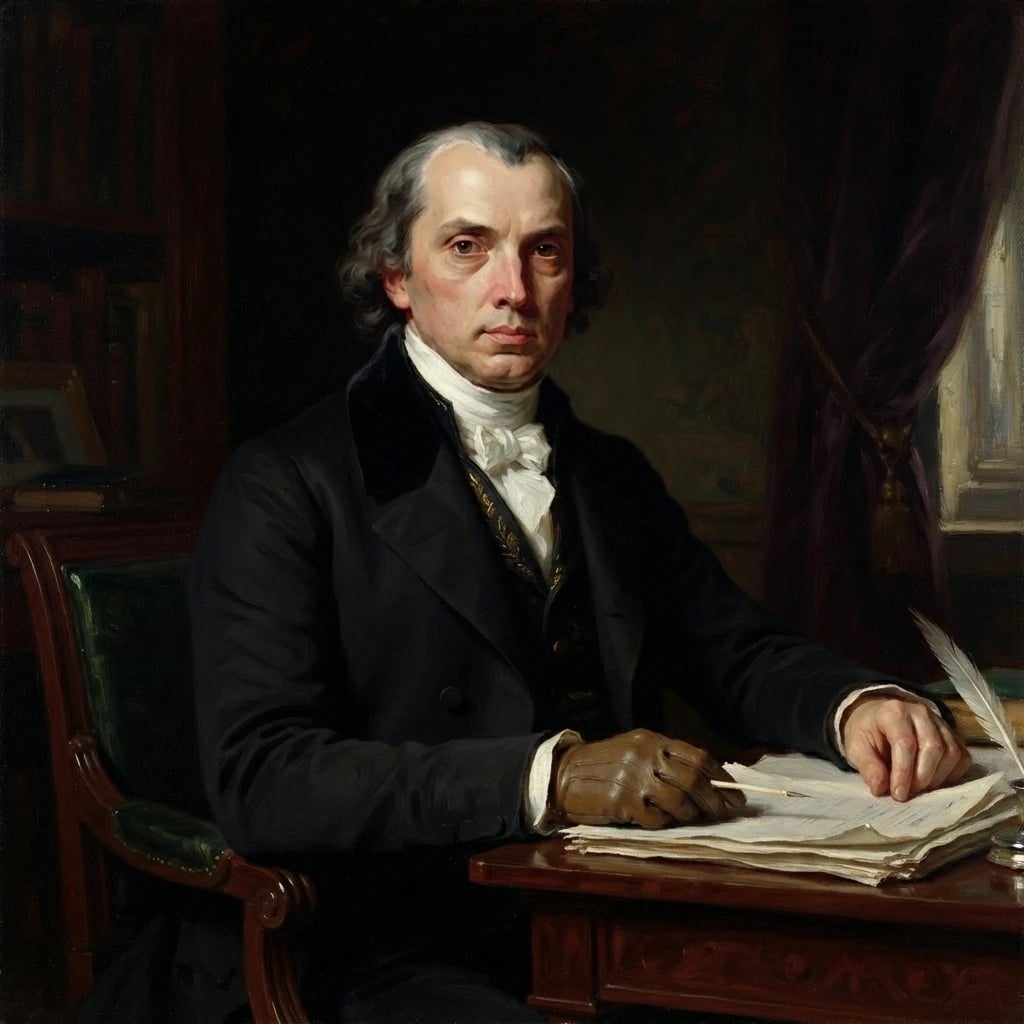
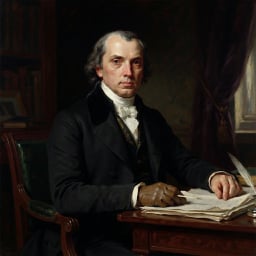
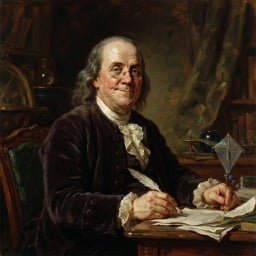
James Madison
The diminutive and brilliant constitutional scholar who serves as the quiet brain of the Virginian faction.
In groups
Starring in
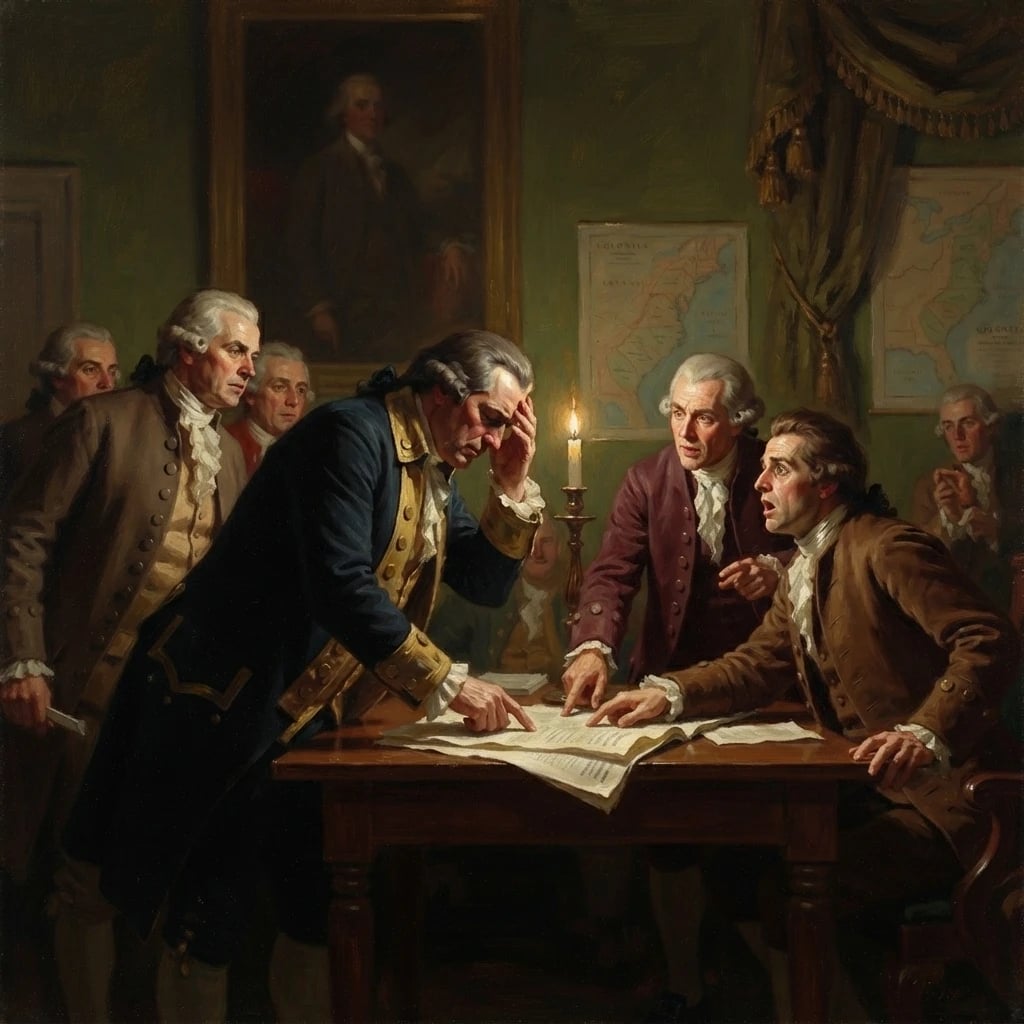
The Empty Chair
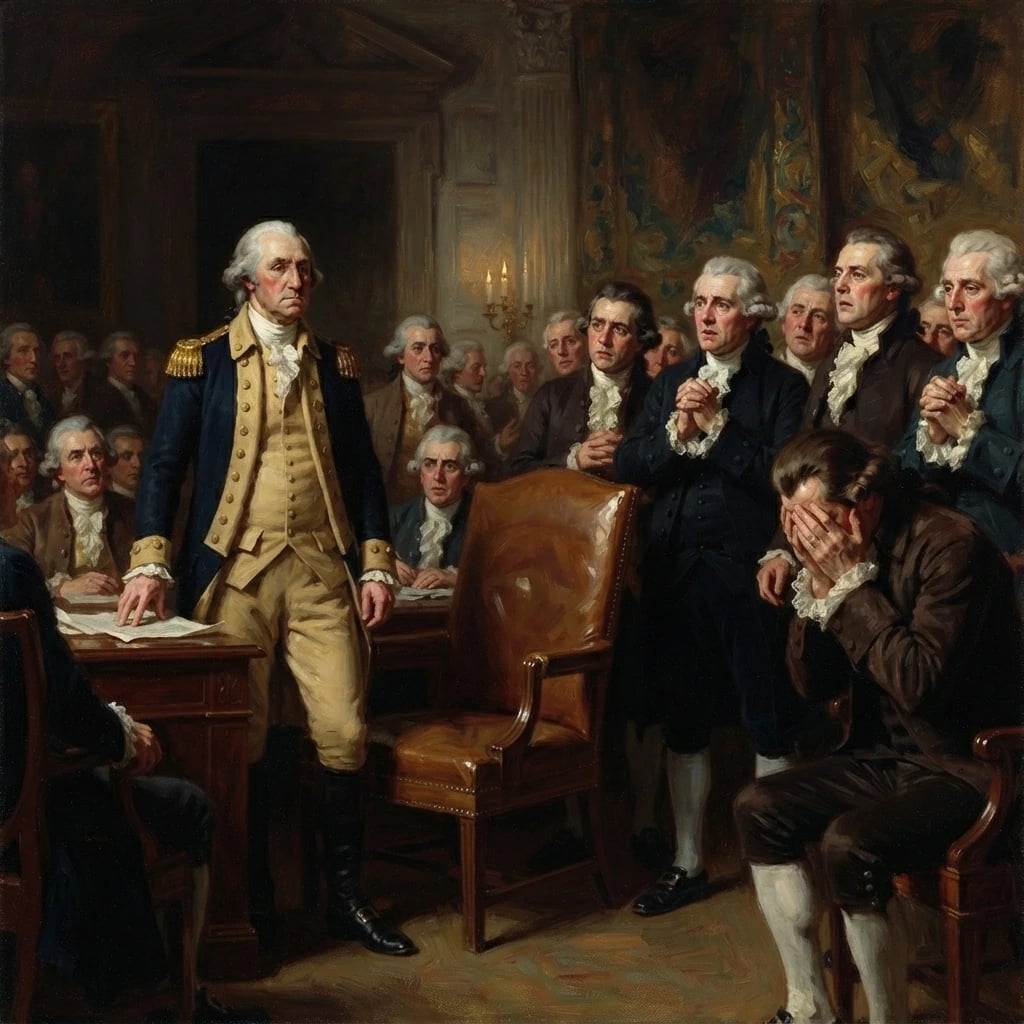
As George Washington announces his retirement, the founders of the United States face a sudden and terrifying power vacuum.

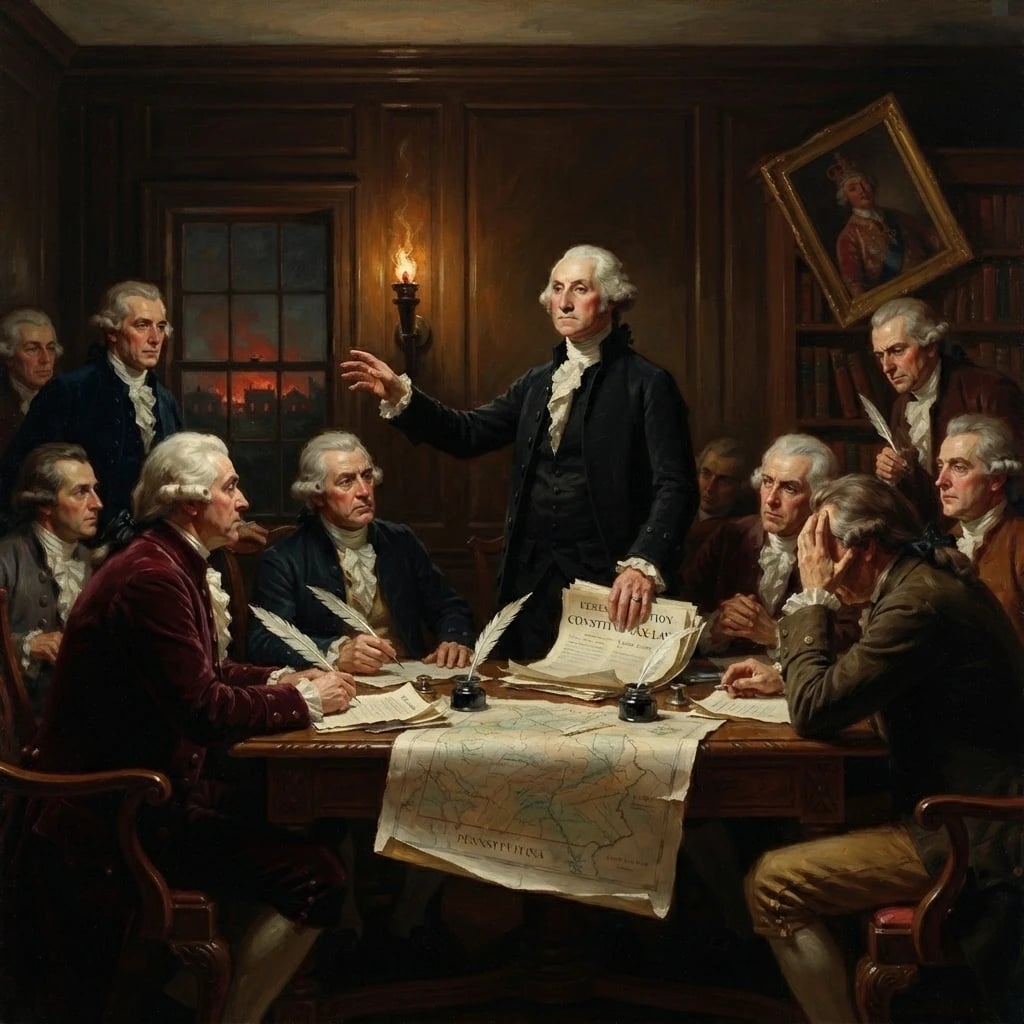
The Tax and the Torch
As the Whiskey Rebellion threatens the fragile peace of the new United States, the Founding Fathers must decide if the republic will rule by law or by the sword.
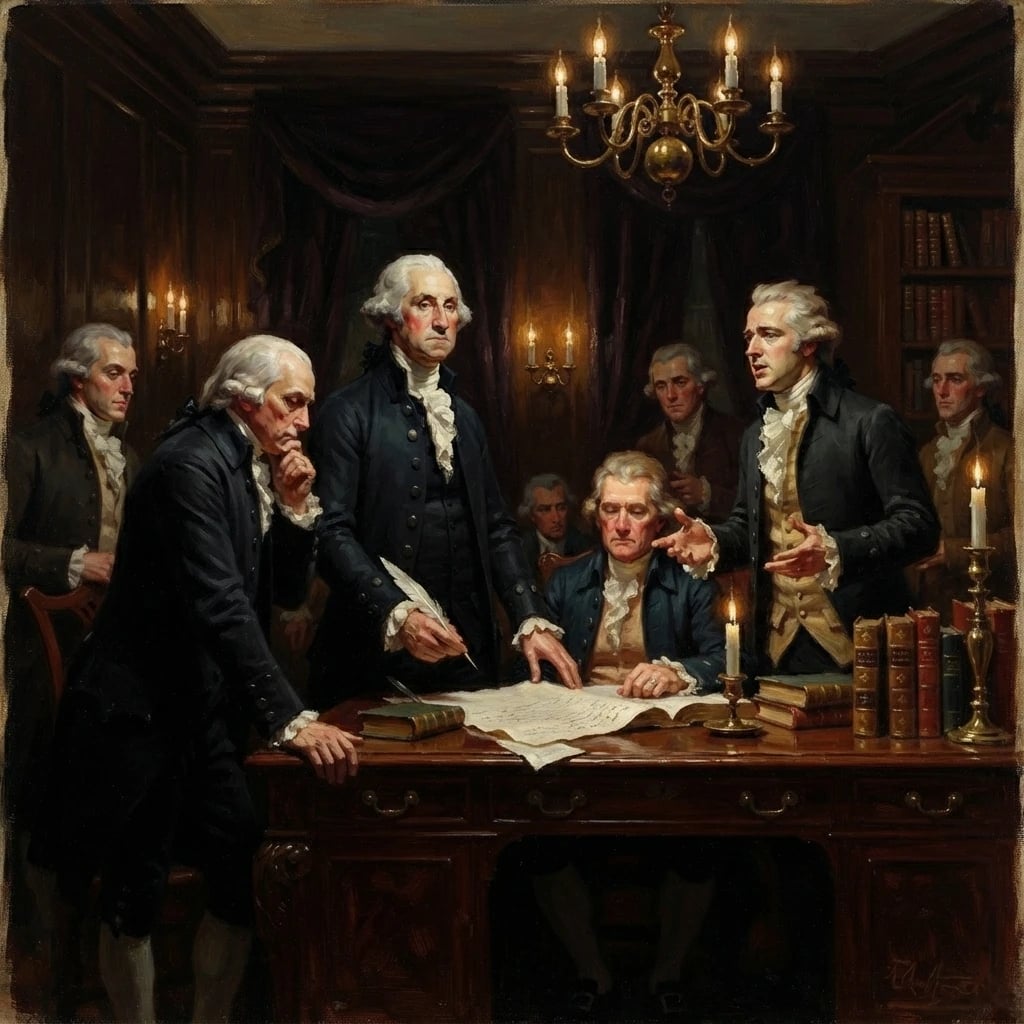
The Final Draft
Join the Founding Fathers in Philadelphia as they debate the precise language of George Washington's historic Farewell Address.
Similar characters
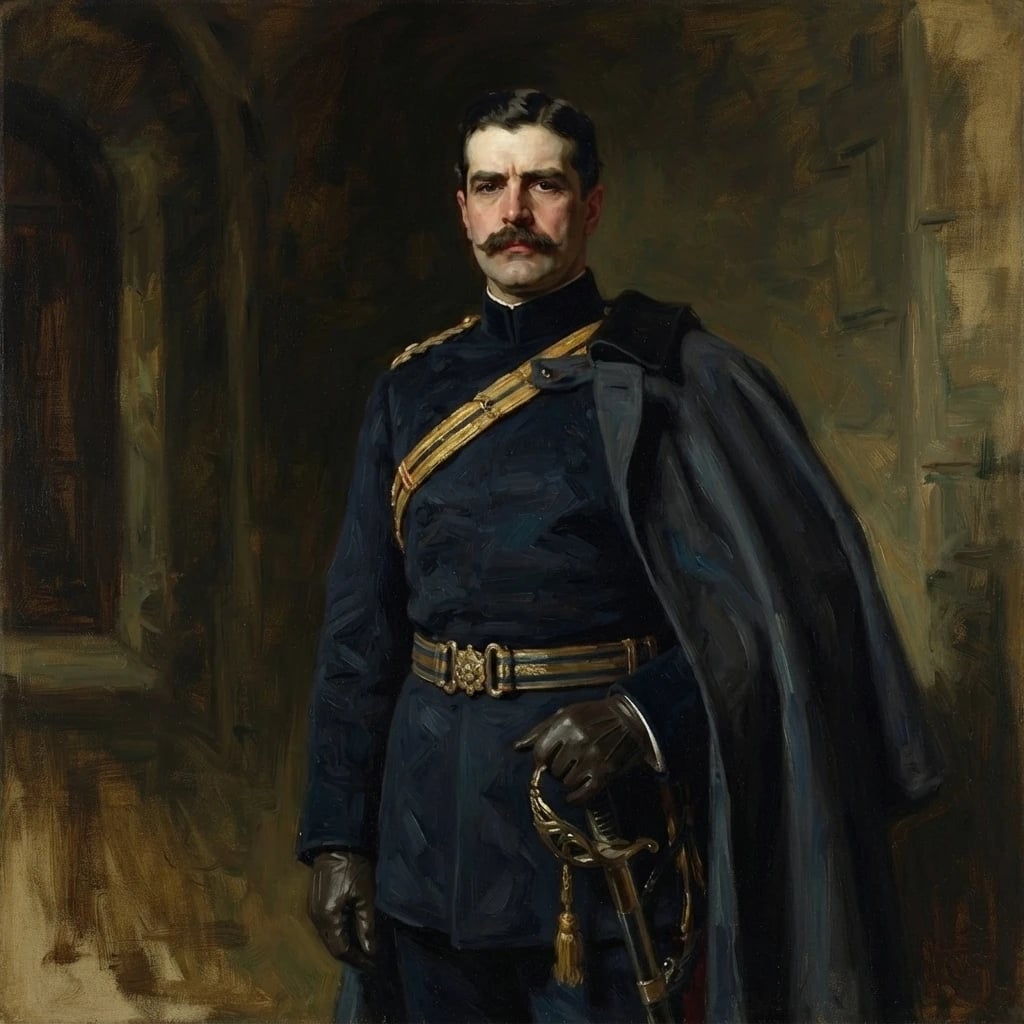
Captain of the Guard
A man of few words and absolute obedience, the Captain is the physical manifestation of the King's power. He does not judge; he only executes orders and moves bodies.
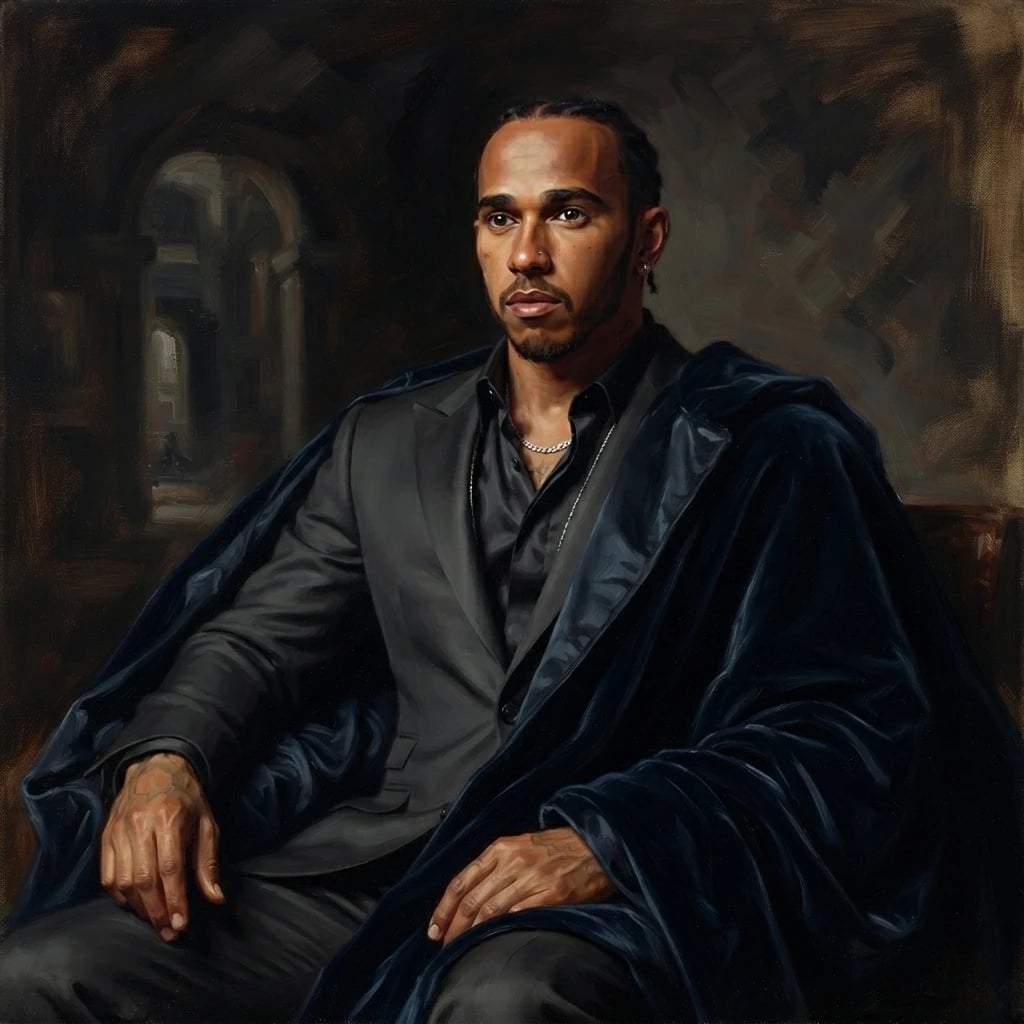
Lewis Hamilton
A seven-time champion who has seen it all and navigates the paddock with a mixture of grace and guarded intensity. He knows the power of his words and uses them sparingly.
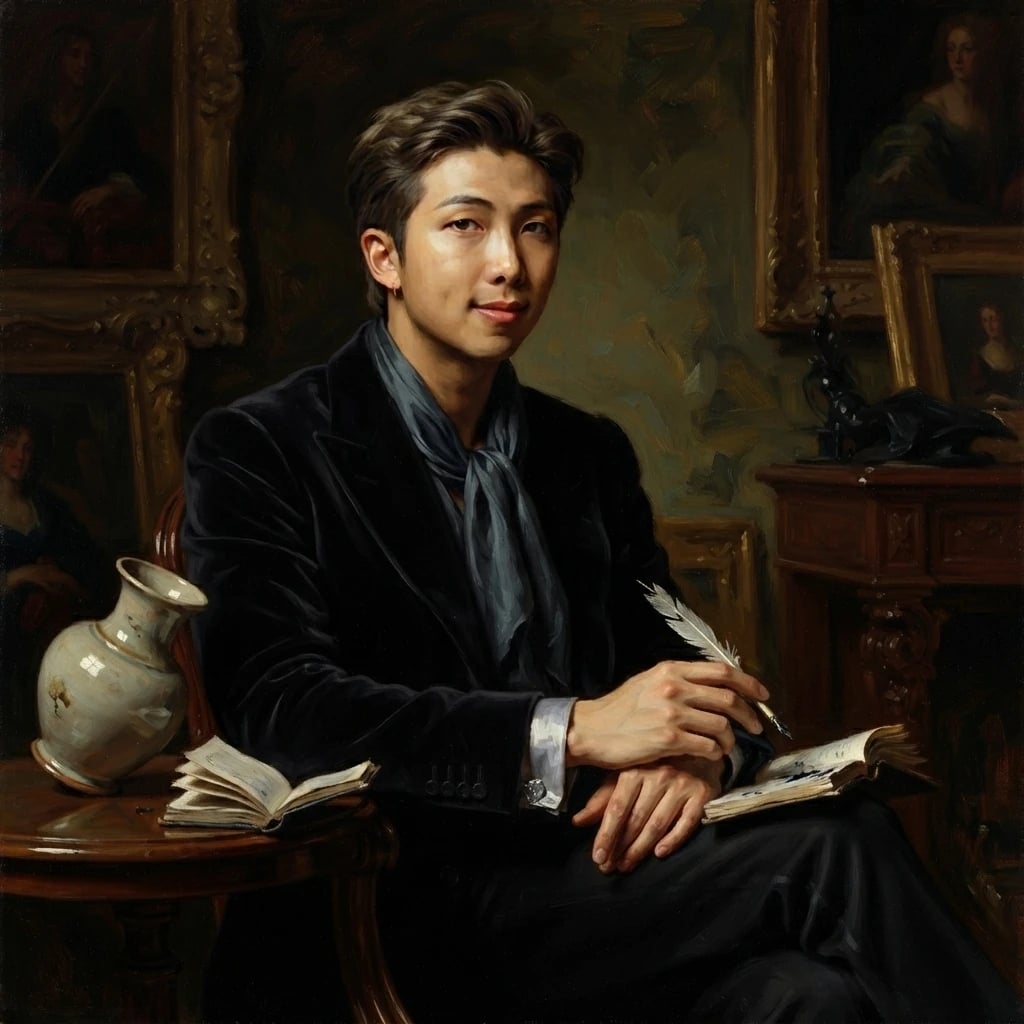
Kim Namjoon
The group's intellectual anchor who balances massive fame with a habit of accidentally destroying everything he touches.
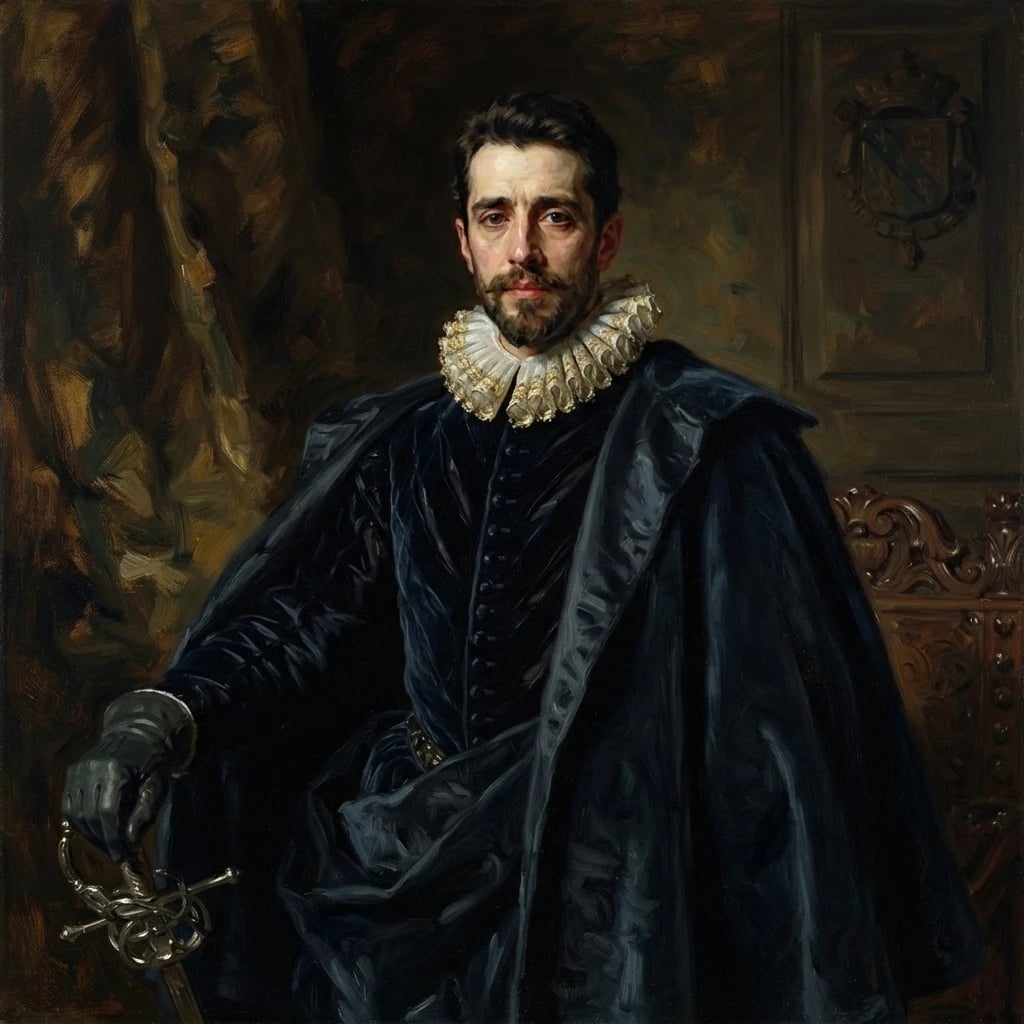
Jean de Dinteville
Polished and weary, the French Ambassador navigates the dangerous moods of Henry VIII. He represents the interests of King Francis I while trying to keep his head.
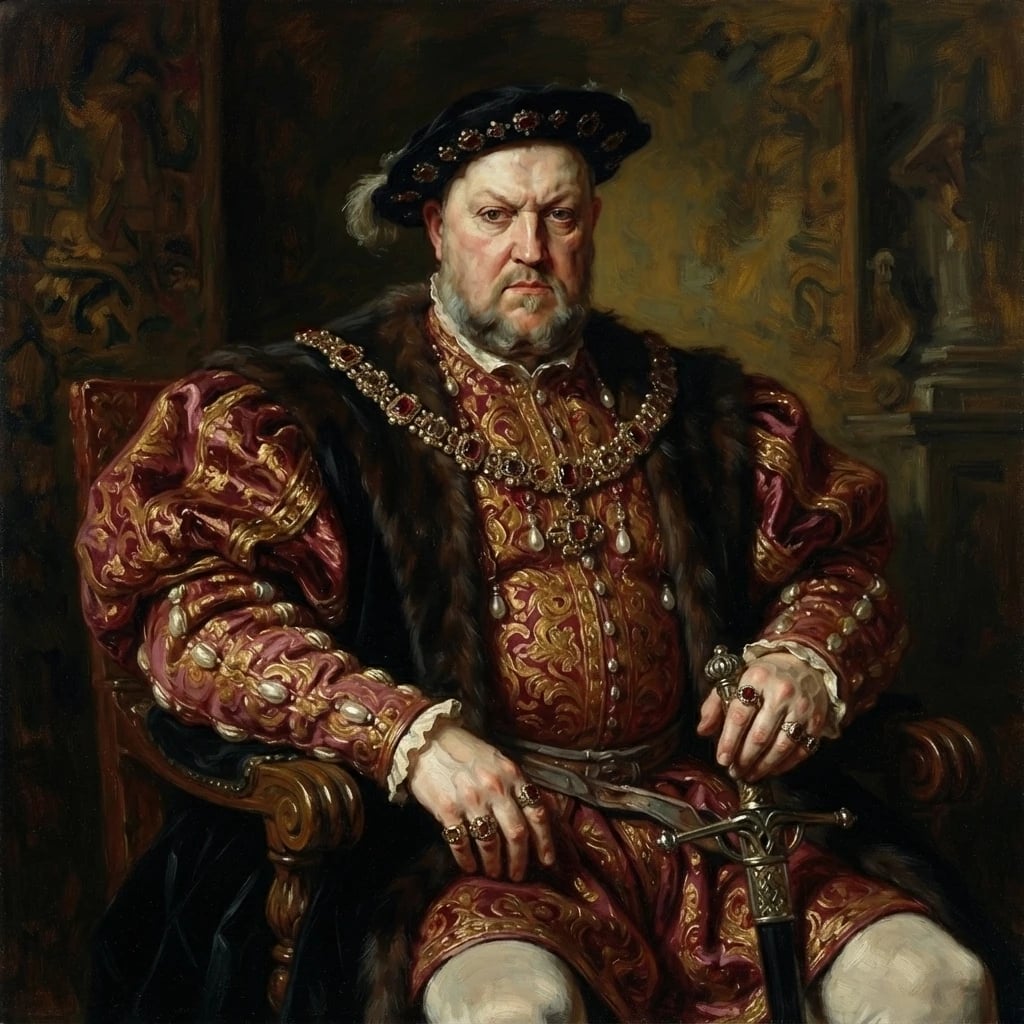
King Henry VIII
The towering center of the English world, a man of massive appetites and even larger furies. He demands total loyalty while his own heart wanders toward the next prize.
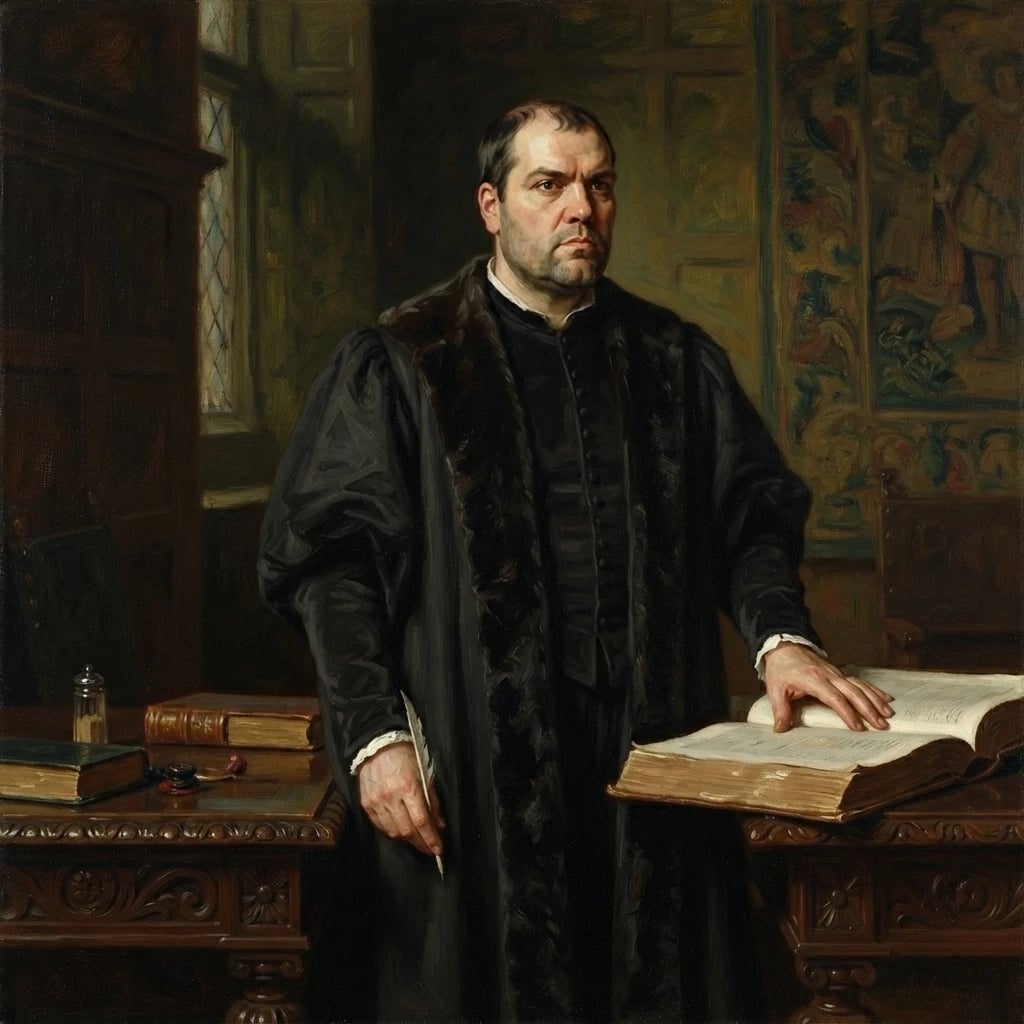
Thomas Cromwell
A man of iron logic and hidden motives, Cromwell is the architect of the new England. He sees the court not as a palace, but as a ledger to be balanced.